Three days in Tokyo is tight. You won't see everything — that's not the point. The point is to see enough that you understand why people keep coming back.
This itinerary is designed around geography, not wishful thinking. Each day covers one side of the city so you're not zigzagging across train lines. The pacing is realistic: you'll walk about 15,000-20,000 steps per day, with built-in breaks and flexible spots you can skip if you're tired.
I've also included actual prices, because "affordable" means nothing without numbers.
DAY 1Classic Tokyo — East Side
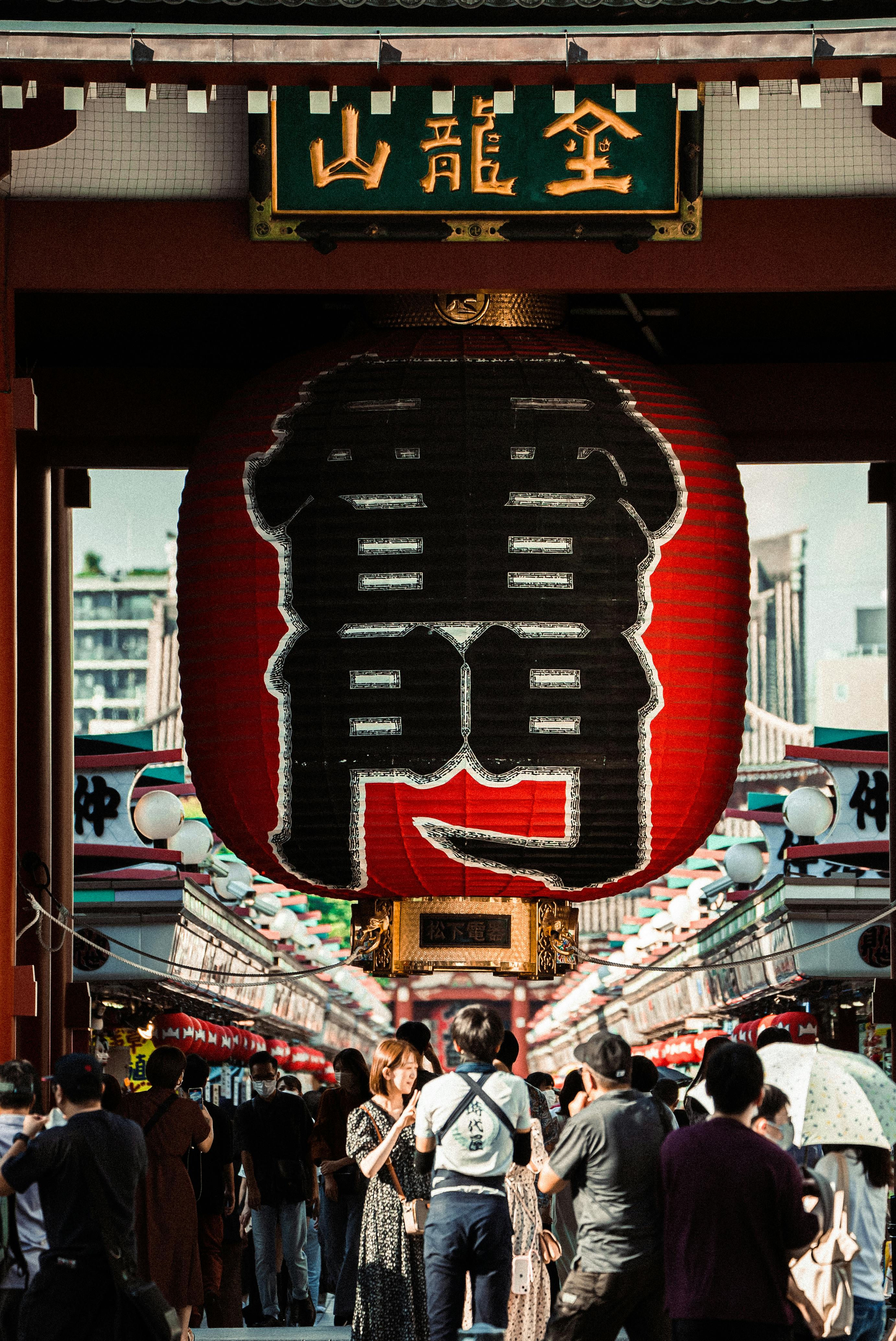
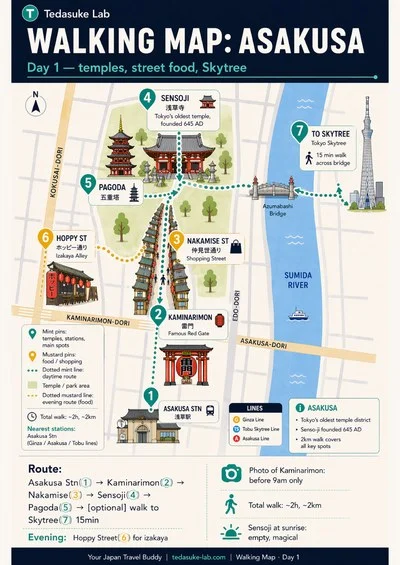
The east side of Tokyo is where old meets older. Asakusa has temples, Akihabara has electric chaos, and Ueno has some of the best street food in the city. This is the Tokyo that existed before the skyscrapers, and it still has more character than most of what came after.
Rent a kimono near Senso-ji and walk Nakamise-dori in style. Multiple designs from ~$25, hair styling included at most shops.
Book Asakusa Kimono Rental (from $44, half day) on KKday →Pre-book your Tokyo Skytree tickets online from $14-18 and save about JPY 400 vs the walk-up window. Pick your time slot and go straight up.
Check price on KKday →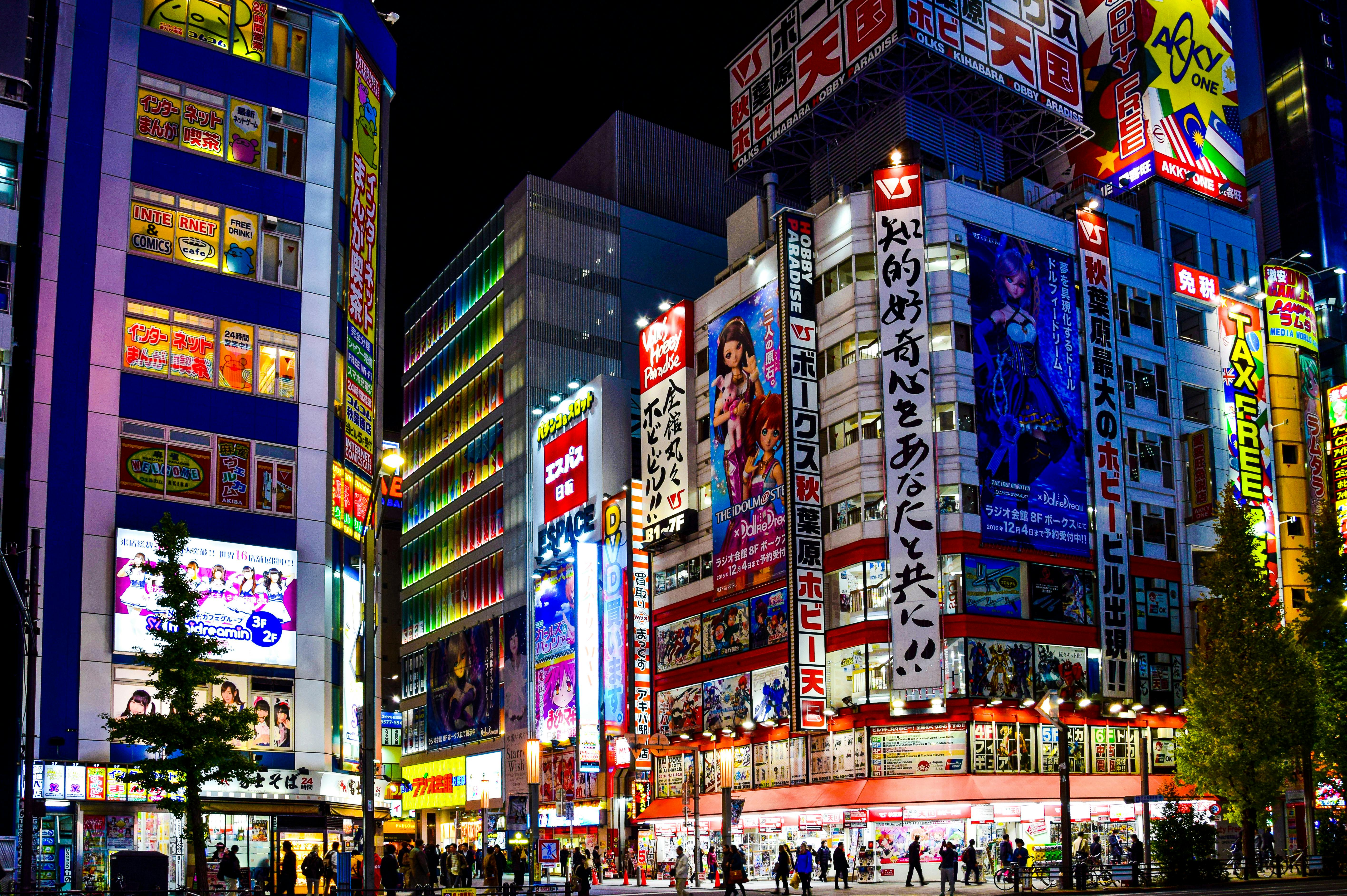
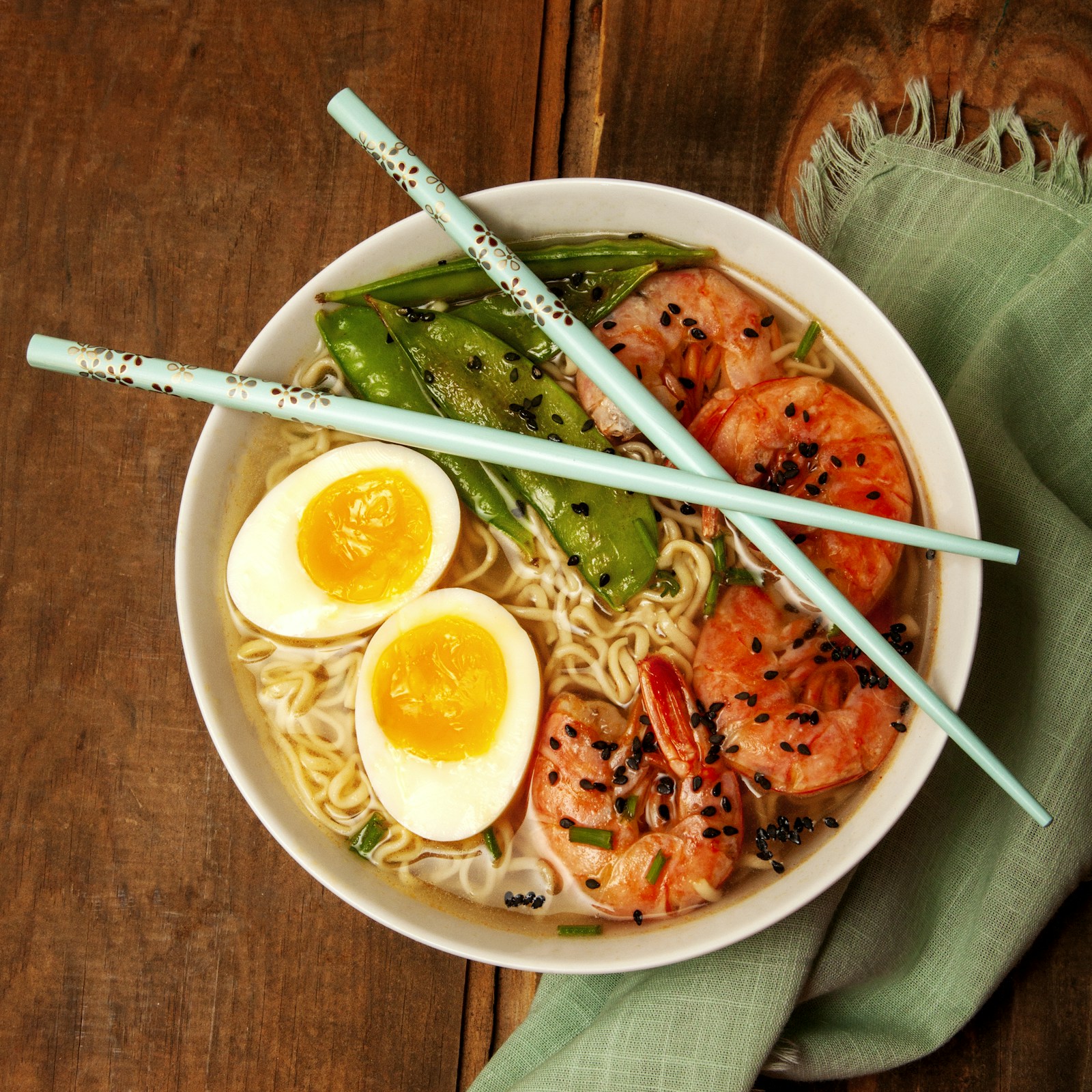
Ramen in Akihabara (¥900-1,200). There are dozens of shops — look for ones with a ticket vending machine outside the door. That's a good sign, not a tourist trap. Or eat street food at Ameyoko: ¥300-500 per item.
A 5.5-hour walking tour through Tsukiji and Asakusa with a local guide. Try sushi, tamagoyaki, street snacks, and sake — all tastings included.
Book Tsukiji & Asakusa Food Tour (from $130, 5.5 hrs) on byFood →Izakaya near Ueno or Asakusa (¥2,000-3,000 with drinks). Look for places with red lanterns outside and Japanese-only menus — these are almost always better and cheaper than English-menu tourist spots.
Skip the guesswork — join a local guide for street food and drinks in Asakusa's backstreets. Hit the spots tourists walk past.
Book Asakusa Evening Tour (from $100, 3 hrs) on byFood →DAY 2Modern Tokyo — West Side
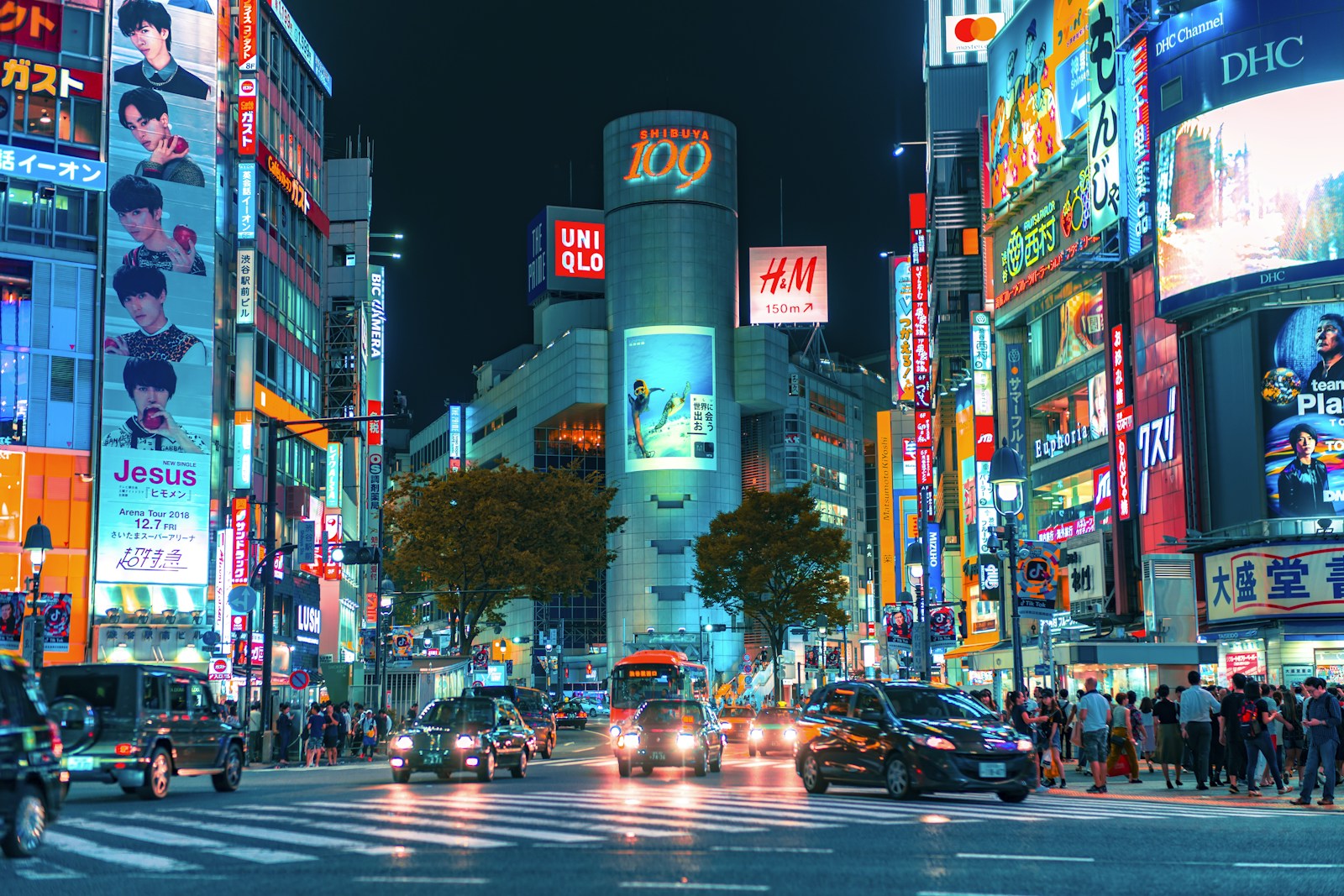
If Day 1 was Tokyo's history, Day 2 is its present and future. The west side is where fashion, youth culture, and corporate ambition collide. Harajuku is teenage chaos, Shibuya is the intersection every movie uses as a shorthand for "Tokyo," and Shinjuku at night is neon-drenched sensory overload.
Open-air rooftop at 229m with 360-degree views of Tokyo. Pre-book from $16-22 to skip the line — especially worth it at sunset.
Check price on KKday →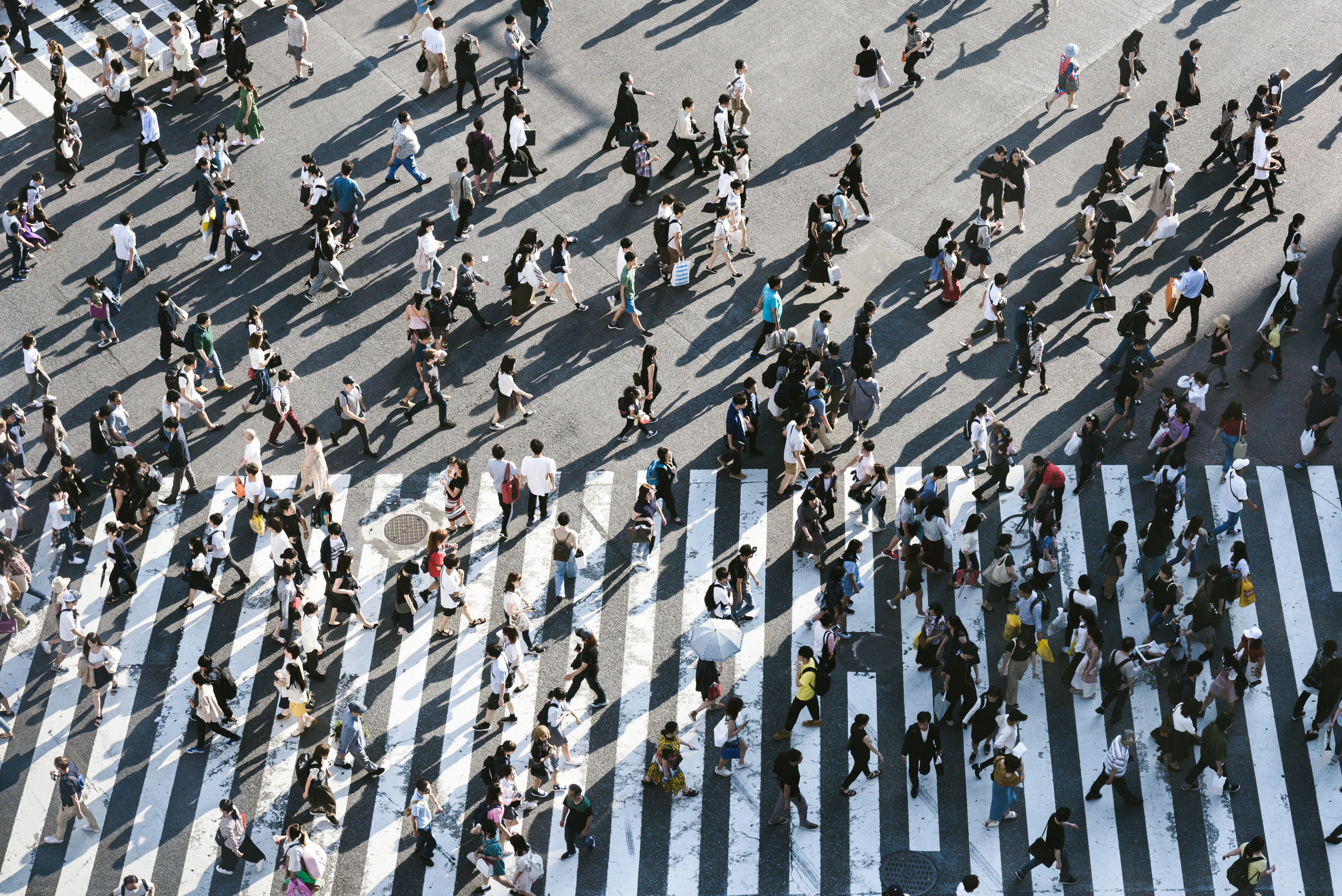
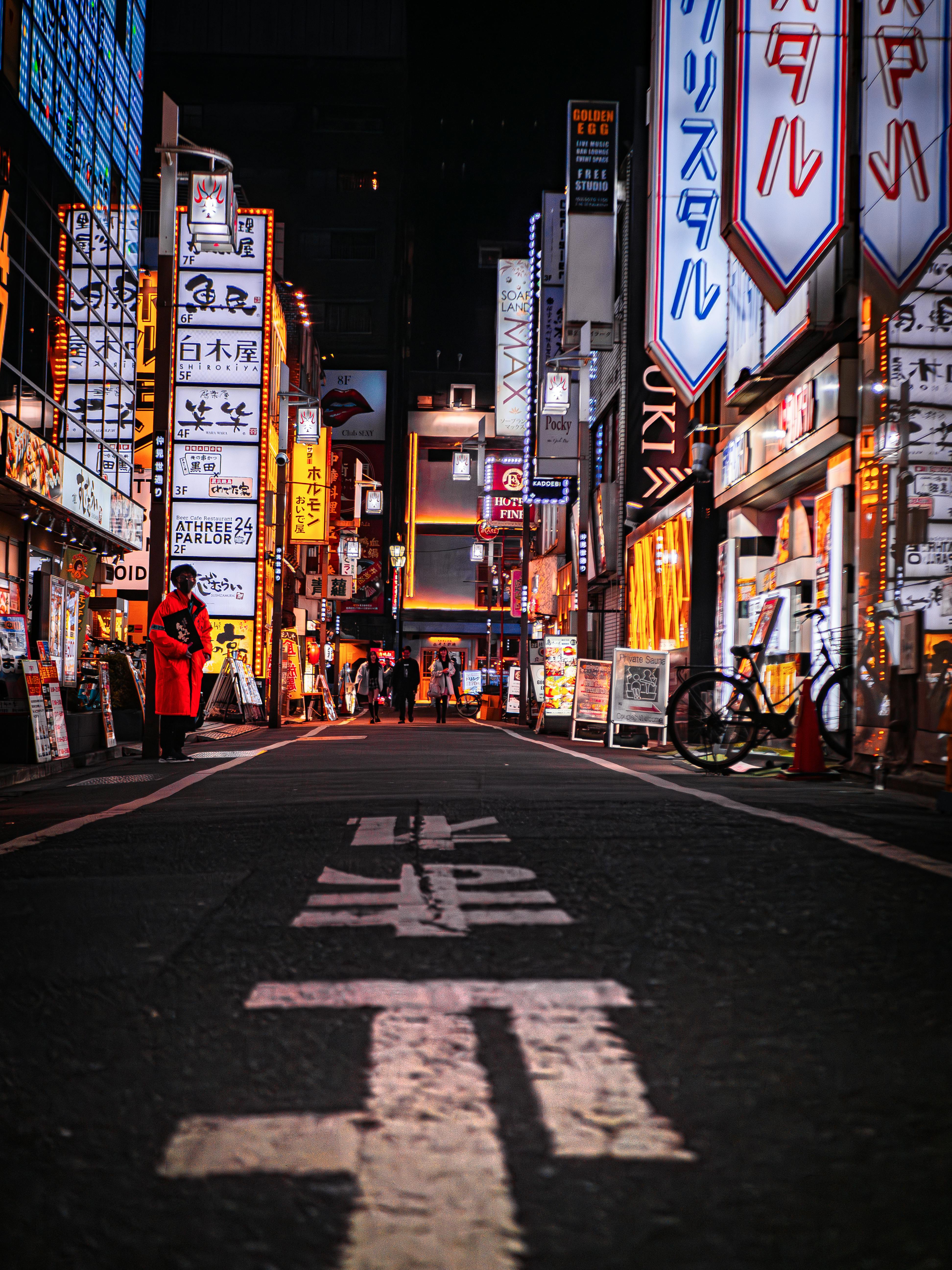
Conveyor belt sushi in Shibuya (¥1,500-2,500). Chains like Genki Sushi or Sushiro are genuinely good — this isn't bottom-tier sushi by any means. Touch-panel ordering, no Japanese required.
Golden Gai bar hopping (¥1,000-2,000 per bar including a drink) + yakitori at Omoide Yokocho (¥1,000-2,000 for 5-6 skewers and a beer). Total evening: ¥2,000-4,000.
Navigating Golden Gai's 200+ tiny bars solo can be intimidating. A local guide takes you to 3-4 bars with food, handles the cover charges, and translates.
Book Golden Gai Food Tour (from $130, 3 hrs) on byFood →DAY 3Your Pick — Culture or Contrast

Day 3 is a choose-your-own-adventure. Both options are excellent and show you a side of Tokyo that most 3-day itineraries miss entirely. Pick based on what you're in the mood for.
Option A: teamLab + Odaiba (Digital Art & Bay Area)
Best for: art lovers, families, Instagram, rainy days
Learn to make nigiri sushi from a local chef in Asakusa ($47-68). A fun morning activity before heading to Tsukiji — and you eat everything you make.
Check price on KKday →Explore Tsukiji's outer market with a local guide — fresh seafood, Japanese knives, and hidden shrines. All tastings included.
Book Tsukiji Walking Tour (from $80, 3 hrs) on byFood →Option B: Shimokitazawa + Yanaka (Local Tokyo)
Best for: vintage shopping, local vibes, photography, people who've "done" Shibuya-style Tokyo
04Budget Breakdown
Here's what 3 days in Tokyo actually costs, per person. These ranges assume you're not sleeping in a park or eating at Michelin 3-star restaurants — just the normal spectrum of how real visitors spend money.
| Item | Budget | Mid | Comfortable |
|---|---|---|---|
| Transport (3 days) | ¥3,000 | ¥4,500 | ¥6,000 |
| Food (3 days) | ¥6,000 | ¥12,000 | ¥21,000 |
| Activities | ¥2,000 | ¥5,000 | ¥10,000 |
| Total (3 days) | ¥11,000 | ¥21,500 | ¥37,000 |
The "budget" column assumes you eat at convenience stores and ramen shops, skip paid observation decks, and stick to trains. "Mid" means a mix of sit-down restaurants and casual spots, one or two paid attractions, and maybe an occasional taxi. "Comfortable" means you eat wherever looks good, do all the activities, and never worry about the price of a drink.
These totals don't include accommodation. Budget a separate ¥4,000-8,000/night for hostels, ¥10,000-18,000/night for business hotels, or ¥20,000+/night for nicer hotels.
Compare Tokyo hotels from budget to comfortable. Filter by area, price, and style to match your itinerary.
Search Tokyo hotels on Zen Hotels →05Practical Tips
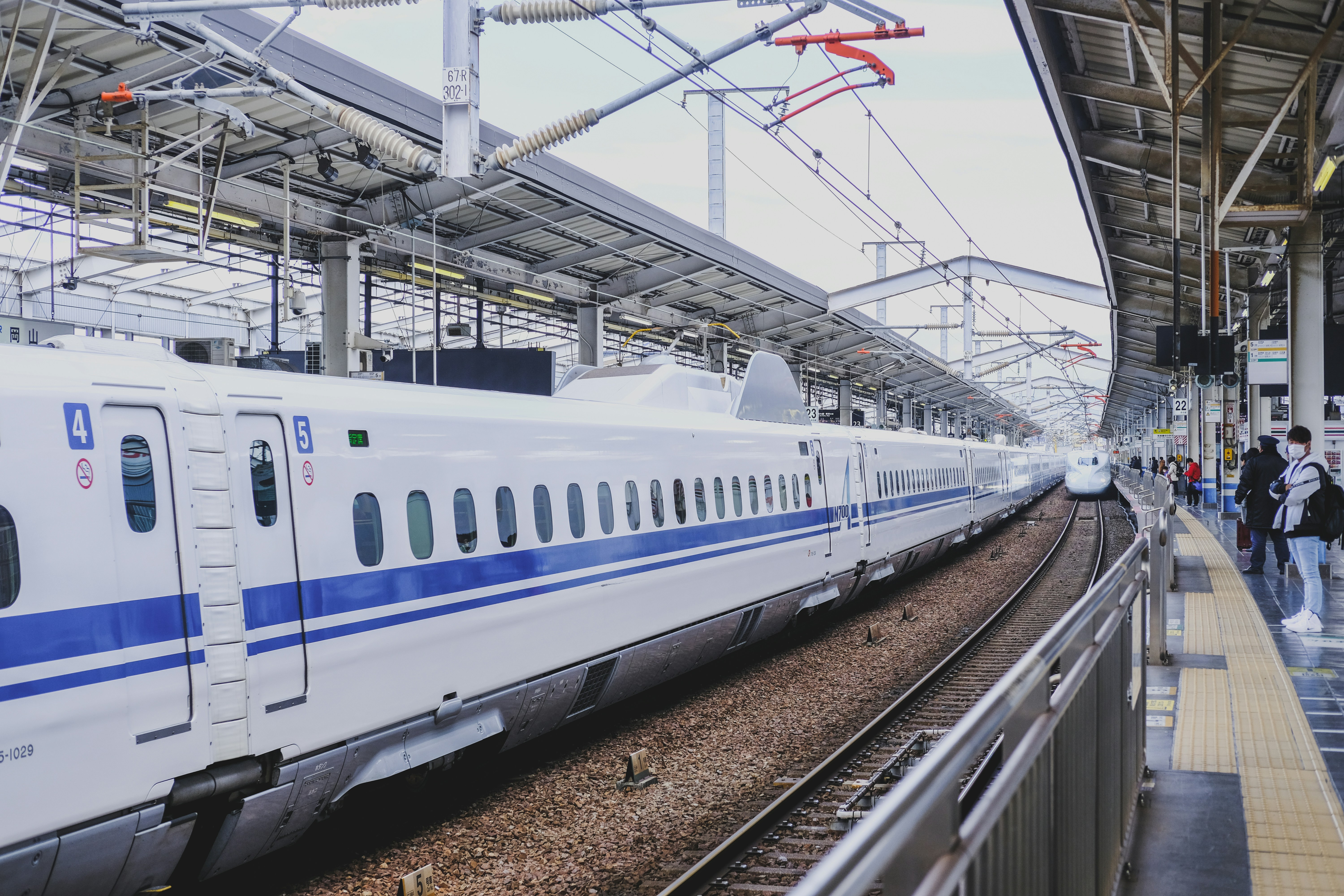
- Buy a Suica or Pasmo IC card at the airport. These rechargeable transit cards work on every train, bus, and subway in Tokyo. Also accepted at convenience stores and vending machines. It's the single most useful thing you'll carry. Not sure which one? Read our Suica vs Pasmo comparison. (Short answer: it doesn't matter.)
- Coin lockers are everywhere — use them. Major stations have coin lockers in multiple sizes (¥300-700 per day). Stash your bag in the morning, explore hands-free, and pick it up at night. This is especially useful on Day 3 if you're checking out of your hotel.
- Convenience stores are your best friend. 7-Eleven, Lawson, and FamilyMart aren't just for snacks. Onigiri (¥120-180), bento boxes (¥400-600), and even hot meals are genuinely good — sometimes better than what you'd get at a restaurant back home. They also have ATMs that accept foreign cards.
- Google Maps works perfectly in Tokyo. Train routing, walking directions, even indoor station maps. Download offline maps for your area just in case your data cuts out underground, but most train stations have WiFi now.
- Carry some cash. Most places accept credit cards now, but small izakayas, vending machines, coin lockers, and temple donations are still cash-only. ¥5,000-10,000 on hand is plenty. For a deeper look at how cash works in Japan, see our Japan cash guide.
Don't over-schedule. This itinerary has built-in flexibility for a reason. Some of the best moments in Tokyo happen when you wander into a side street, find a tiny ramen shop with four seats, or stumble into a shrine you've never heard of. Leave room for that.
06What's Next?
Three days in Tokyo is a strong start, but if you're planning a longer trip to Japan, these tools will help you figure out the rest.
Want the exact routes and maps?
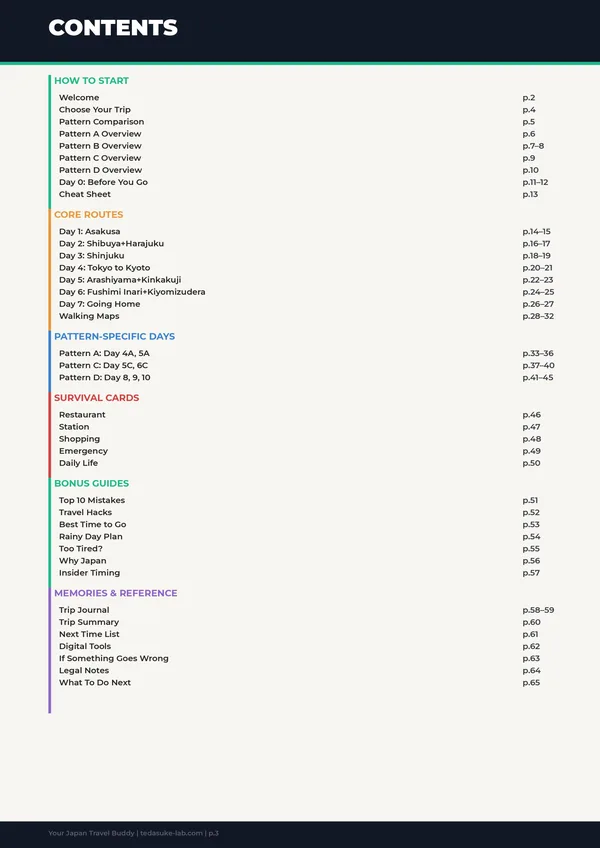
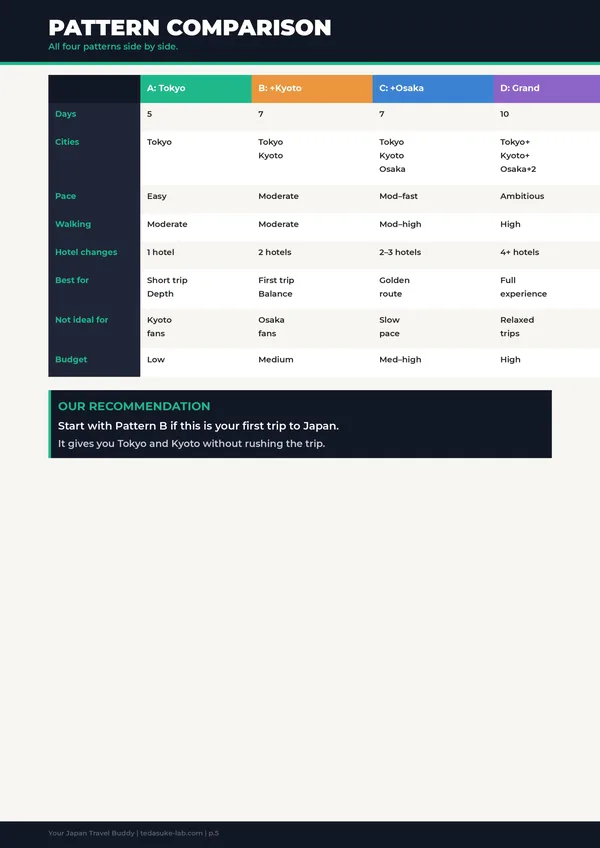
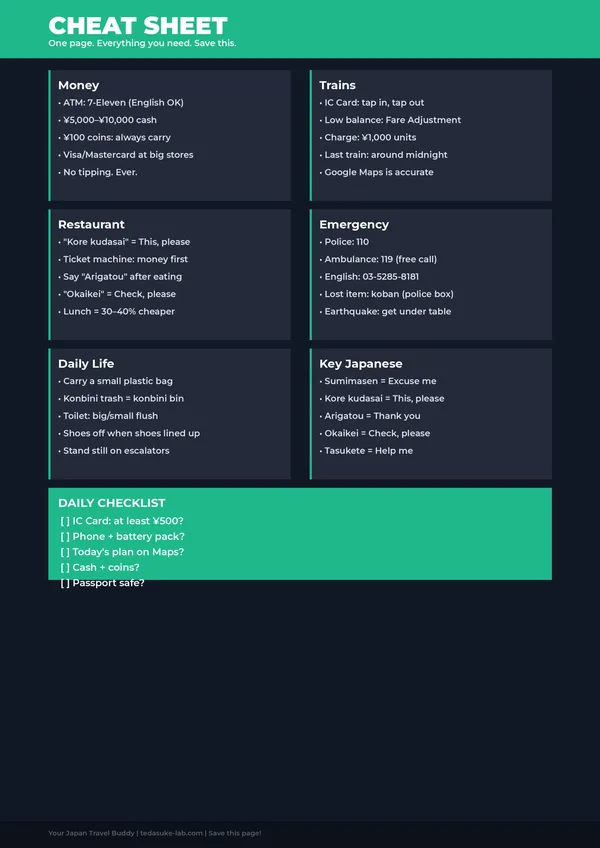
Plan your trip with illustrated walking maps and ready-to-follow routes.
See the complete guide →
One-time payment · Instant download · Free updates forever