The Japan Rail Pass (JR Pass) promises unlimited train travel across Japan — including the bullet train. Sounds like a no-brainer. But after the 2023 price hike, it's not always the best deal. Here's when it actually saves you money, and when you're better off buying individual tickets.
01What is the JR Pass?
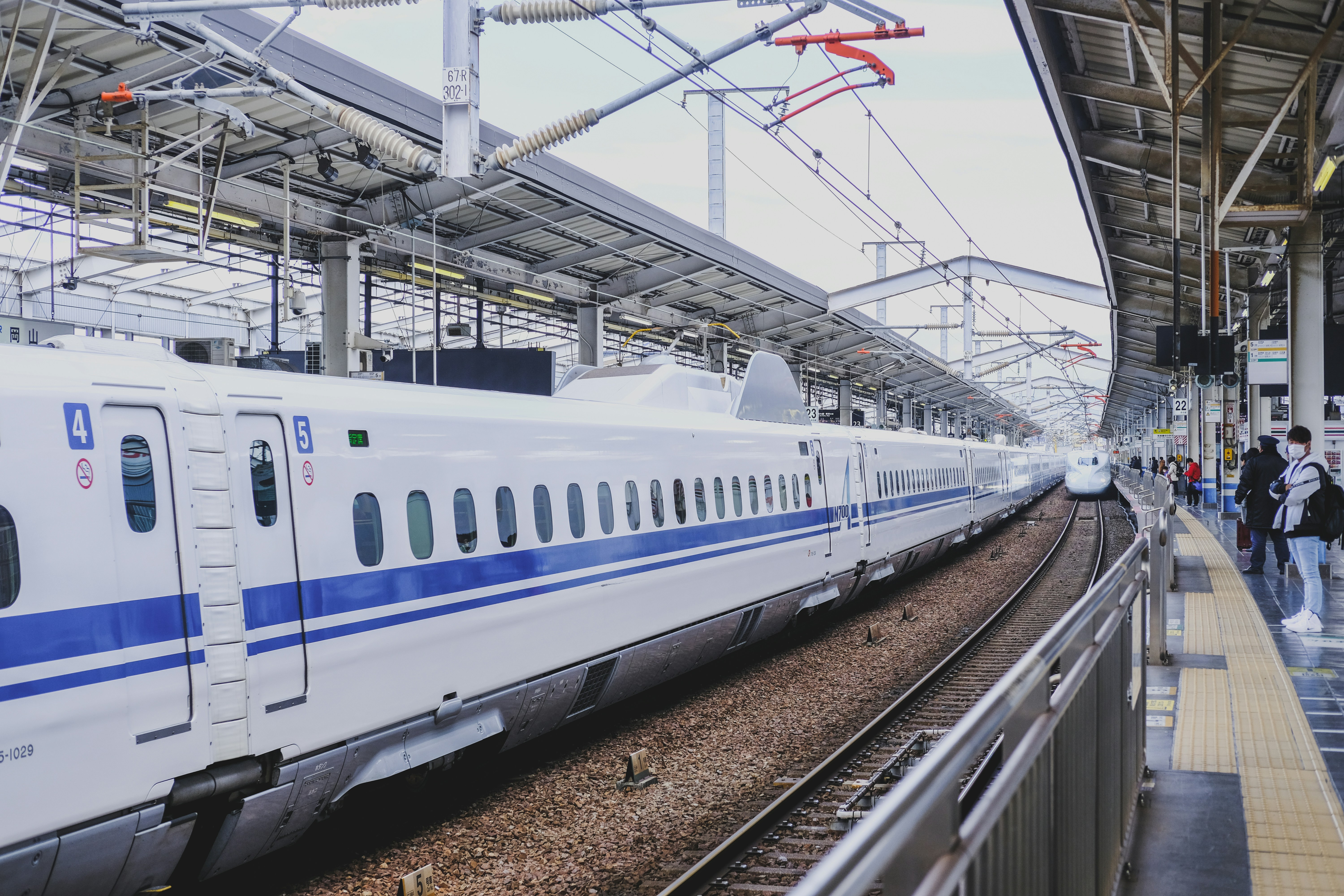
The Japan Rail Pass gives you unlimited travel on most JR trains across Japan — including Shinkansen (bullet trains, excluding Nozomi and Mizuho), local/express JR lines, and even some JR buses and ferries. It's available for 7, 14, or 21 consecutive days.
The pass is only available to foreign tourists visiting Japan on a temporary visitor visa. You can now purchase it before arriving in Japan online, or at major JR stations and airports after arrival.
2026 prices (Ordinary Car)
These prices went up significantly in October 2023. Many older blog posts quote the pre-hike prices (¥29,650 for 7 days). Make sure any advice you read uses current 2026 pricing.
02When it's worth it
Rule of thumb: If your Shinkansen rides alone would cost more than the pass, buy it. The pass also covers local JR trains, which adds bonus value on top.
Common Shinkansen costs (one way, reserved seat)
| Route | One way | Round trip |
|---|---|---|
| Tokyo → Kyoto | ¥14,170 | ¥28,340 |
| Tokyo → Osaka | ¥14,720 | ¥29,440 |
| Tokyo → Hiroshima | ¥19,760 | ¥39,520 |
| Kyoto → Hiroshima | ¥12,200 | ¥24,400 |
| Tokyo → Hakone | ¥3,000 | ¥6,000 |
| Osaka → Kyoto | ¥580 | ¥1,160 |
Examples where the JR Pass pays off
- Tokyo → Kyoto → Hiroshima → Tokyo: Individual tickets ¥42,000+. The 7-day pass (¥50,000) is worth it because you also get free local JR rides throughout the trip.
- Tokyo → Osaka → Kyoto → Tokyo with day trips: Once you add Nara, Himeji, or other side trips by JR, you'll likely exceed ¥50,000 in total rail costs.
Example where it doesn't quite pay off
- Tokyo → Kyoto round trip + Tokyo → Hakone: ¥28,340 + ¥6,000 = ¥34,340. That's ¥15,660 less than the 7-day pass. Not worth it.
03When it's NOT worth it
The JR Pass is not a universal money-saver. In many common trip patterns, individual tickets are significantly cheaper.
You're staying in Tokyo only. Tokyo's subway and Metro systems (not JR) are the primary way to get around. A JR Pass is massive overkill.
- Only doing one round trip (e.g., Tokyo ↔ Kyoto): At ¥28,340, it's well under the ¥50,000 pass price.
- Using mostly Metro or private railways: Tokyo Metro, Tobu, Odakyu, Keio, Tokyu — none of these are covered by the JR Pass.
- Taking budget buses instead of trains: Highway buses between Tokyo and Osaka can cost as little as ¥3,000–5,000 one way.
- Short trips where individual tickets are cheaper: If your total JR spending would be under ¥40,000, the math doesn't work.
04JR Pass vs individual tickets: real examples
Three common itineraries with real numbers. No guessing.
05How to buy and activate
Buy online through the official JR Pass website or authorized travel agents before your trip. You can also purchase at major JR stations and airports after arrival, though buying in advance is recommended.
Activation steps
- Go to a JR ticket office (Midori-no-Madoguchi) at the airport or any major station.
- Bring your passport (must have a "temporary visitor" stamp or sticker).
- Choose your activation date — it does NOT have to be the purchase date.
- The pass is valid for consecutive days from your chosen start date.
The validity period starts from the activation date, not the purchase date. If you buy the pass a week before your trip but activate it on day 3 of your trip, the 7-day window starts from day 3.
Order your JR Pass from $320 and pick it up at the airport on arrival. Covers all JR lines including Shinkansen (except Nozomi/Mizuho). Choose 7, 14, or 21-day options.
Check price on KKday →06Tips
The fastest Shinkansen (Nozomi and Mizuho) are NOT covered by the JR Pass. Use the Hikari instead — it's only about 15 minutes slower on the Tokyo-Kyoto route and makes the same journey.
With the JR Pass, you can reserve seats for free at any JR ticket machine or counter. Highly recommended for busy routes and peak times (mornings, weekends, holidays).
A "Green Car" (first class) version of the JR Pass exists, but it costs ¥70,000 for 7 days. Rarely worth the extra ¥20,000 unless you prioritize comfort and guaranteed quiet.
The JR Pass doesn't cover Metro, private railways, or city buses. Get a Suica or PASMO IC card for those. You'll use both the JR Pass and IC card throughout your trip.
Order a pre-loaded Suica card online and pick it up at Tokyo Station or the airport. Works on all trains, buses, convenience stores, and vending machines.
Get Suica Card (from $14) on KKday →Figure out how many travel days you actually need — so you pick the right pass duration.
Open Trip Days Planner →See how JR Pass costs fit into your overall Japan trip budget.
Open Budget Estimator →This section includes affiliate links. We earn a small commission at no extra cost to you.