Japan has some of the best accommodation in the world — from spotless business hotels to traditional ryokan with kaiseki dinners. But the booking process can be confusing, especially when platforms show different prices for the same room.
This guide covers hotel types, compares the main booking platforms honestly, and helps you figure out how much to budget and where to stay.
01Japan hotel types explained
Japan offers accommodation you won't find anywhere else. Here's what each type actually means, with honest price ranges per person per night.
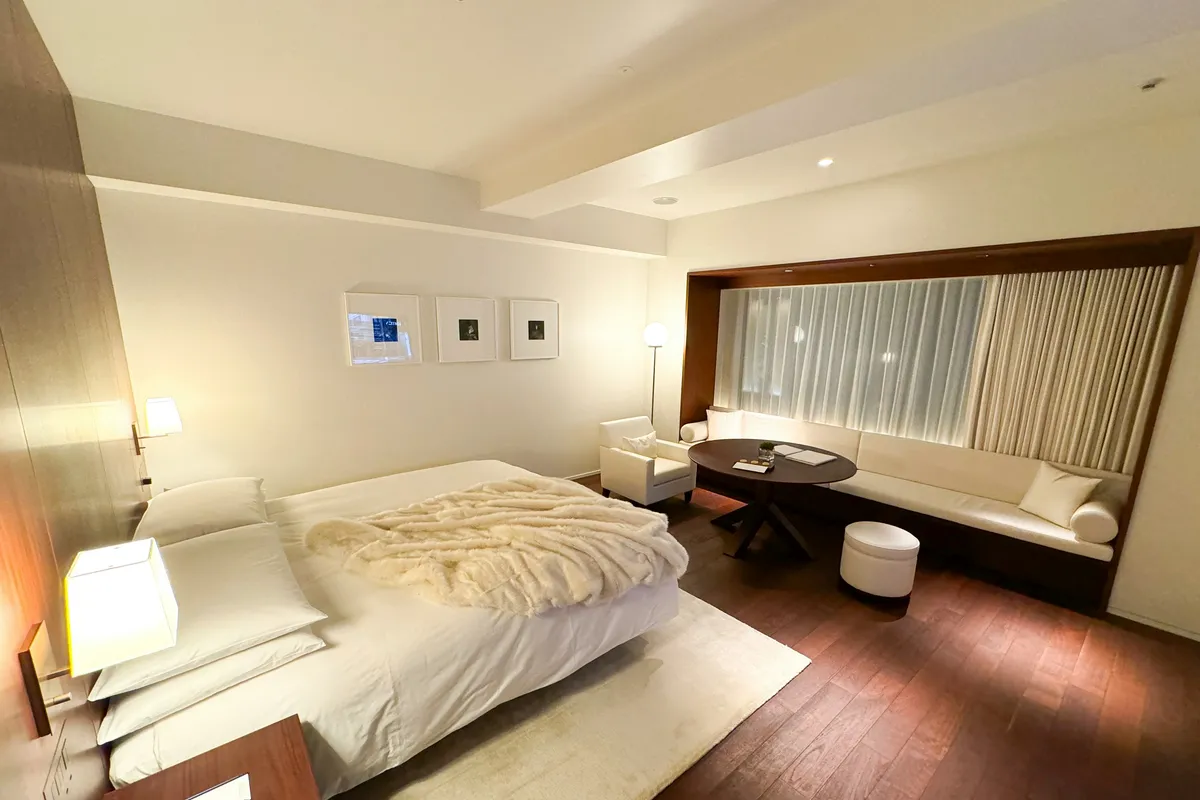
Business Hotel — ¥5,000-10,000/night
Small, clean, efficient rooms designed for solo business travelers. Rooms are typically 12-15 sqm with everything you need and nothing you don't. Chains like Toyoko Inn, APA Hotel, and Dormy Inn are reliable nationwide. Many include free breakfast.
Best for: Solo travelers and couples who just need a clean bed and a good shower. You won't spend much time in the room anyway.
Hostel / Guesthouse — ¥2,000-5,000/night
Dorm beds or small private rooms, often with shared kitchens and common spaces. Quality varies widely — some are modern and social, others are bare-bones. Check reviews carefully.
Best for: Budget travelers, solo backpackers, and anyone who wants to meet other travelers.
Mid-range Hotel — ¥10,000-20,000/night
Think Mitsui Garden, Hotel Gracery, or Daiwa Roynet. Larger rooms (18-25 sqm), better amenities, and often in prime locations near major stations. A clear step up from business hotels without the luxury price.
Best for: Couples and families who want comfort without overspending.
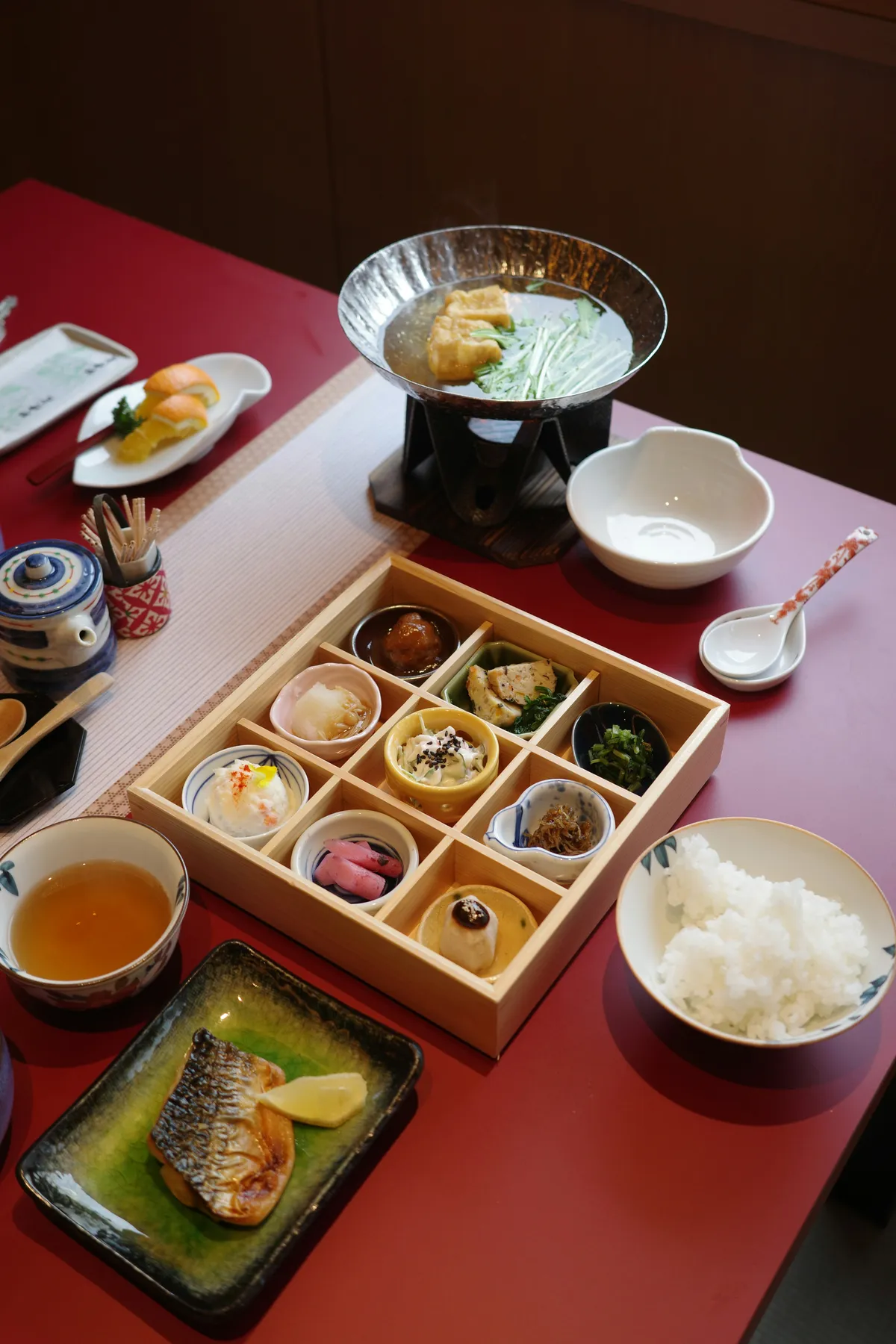
Ryokan (Traditional Inn) — ¥15,000-50,000+/night
Tatami rooms, futon beds, communal onsen baths, and often a multi-course kaiseki dinner included. This is a cultural experience, not just accommodation. Prices vary enormously — a simple countryside ryokan might be ¥15,000, while a luxury one in Hakone can exceed ¥50,000.
Best for: Everyone, for at least one night. This is a uniquely Japanese experience that's worth the splurge.
Capsule Hotel — ¥3,000-5,000/night
A pod just big enough to sleep in, with shared bathrooms and lockers. Modern capsule hotels (like Nine Hours or First Cabin) are surprisingly comfortable. Traditional ones near Shinjuku are more utilitarian. Not for the claustrophobic.
Best for: Adventurous solo travelers who want a unique experience, or anyone who missed the last train.
02Booking platforms compared
There's no single "best" platform — it depends on what you're looking for. Here's an honest comparison of the four platforms that matter for Japan.
| Booking.com | Agoda | Rakuten Travel | Japanican | |
|---|---|---|---|---|
| Best for | International visitors | Budget deals | Domestic + loyalty | Ryokan / traditional |
| English | Excellent | Good | OK | Good |
| Free cancellation | Usually yes | Varies | Usually yes | Varies |
| Payment | Credit card | CC / pay at hotel | Credit card | Credit card |
| Japan-specific options | Good | Good | Excellent | Excellent |
Booking.com for most visitors — widest selection, best English support, and flexible cancellation policies. Use Agoda for budget hunting (compare prices side-by-side). Use Rakuten Travel if you're a repeat visitor who wants point rewards. Use Japanican specifically for ryokan and traditional inns — their selection is unmatched.
Compare hotel prices and book with free cancellation on most rooms.
Get Japan eSIM on KKday →03How much to budget for hotels
Here's what to realistically expect per person per night in Japan. These are 2026 prices based on actual listings.
Tokyo is 20-30% more expensive than other cities. A business hotel room that costs ¥7,000 in Osaka or Fukuoka might be ¥9,000-10,000 in Shinjuku. Kyoto prices spike during cherry blossom and autumn leaf seasons.
Weekends and holidays cost more. Friday and Saturday nights are typically 20-50% higher. Japanese public holidays (Golden Week, Obon, New Year) push prices even higher.
See how hotel costs fit into your full Japan trip budget.
Open Budget Estimator →04When to book
Timing matters. Here's how far ahead you should book depending on when you're visiting.
Standard trips: 4-6 weeks ahead
For most of the year, booking 4-6 weeks before your trip gives you a good balance of selection and price. This applies to summer (June-August, except Obon week), winter (December-February, except New Year), and shoulder seasons.
Peak seasons: 2-3 months ahead
Book early for these periods — popular hotels sell out fast:
- Cherry blossom season (late March - early April) — the most competitive period. Kyoto hotels can sell out 3+ months ahead.
- Golden Week (late April - early May) — Japan's longest holiday period. Domestic travelers fill hotels nationwide.
- Autumn leaves (November) — especially Kyoto. Nearly as competitive as cherry blossom season.
Last-minute deals
They exist, but they're risky in peak season. In off-peak months (June, September, January-February), you can find genuine bargains 1-2 weeks out. In peak season, waiting usually means paying more — or having no availability at all.
05Location tips by city
Where you stay matters almost as much as where you stay. Proximity to a major train station saves you time and money every single day.
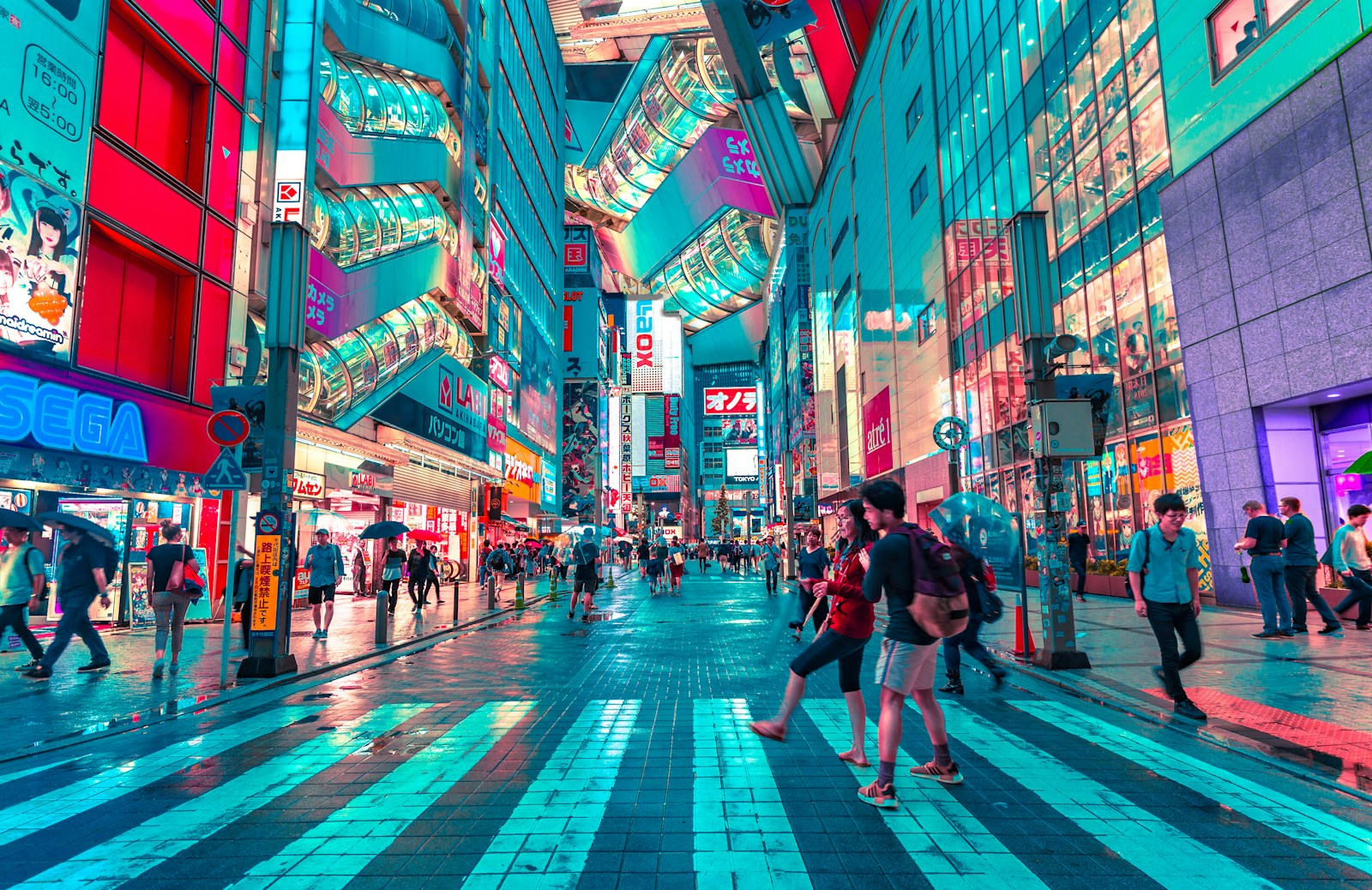
Tokyo
- Shinjuku — Best transit hub in Tokyo. JR, Metro, private lines all converge here. Easy access to day trips. Can be noisy but incredibly convenient.
- Shibuya — Great for nightlife and shopping. Younger vibe. Good Metro connections but fewer JR options than Shinjuku.
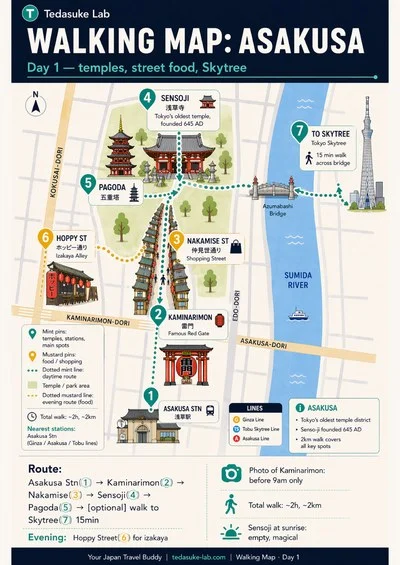
- Asakusa — Budget-friendly with a traditional atmosphere. Close to Senso-ji and Skytree. Slightly less convenient for western Tokyo, but great for the east side.
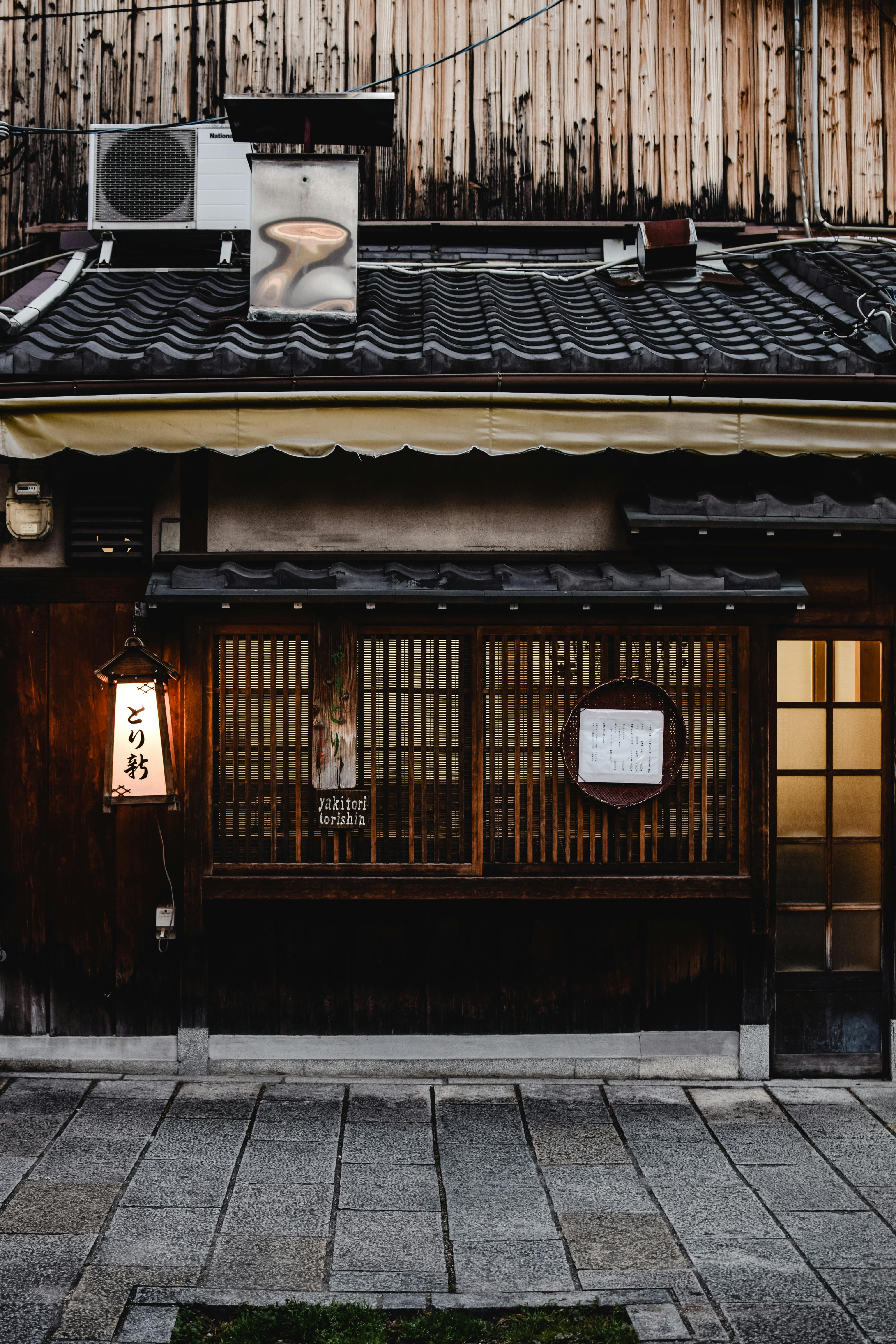
Kyoto
- Near Kyoto Station — The practical choice. Bus hub for all major temples, Shinkansen access, plenty of restaurants. Not the most atmospheric area, but the most functional.
- Gion — The atmospheric choice. Traditional streets, geisha district, close to Higashiyama temples. More expensive and fewer transport options, but the ambiance is unbeatable.
Osaka
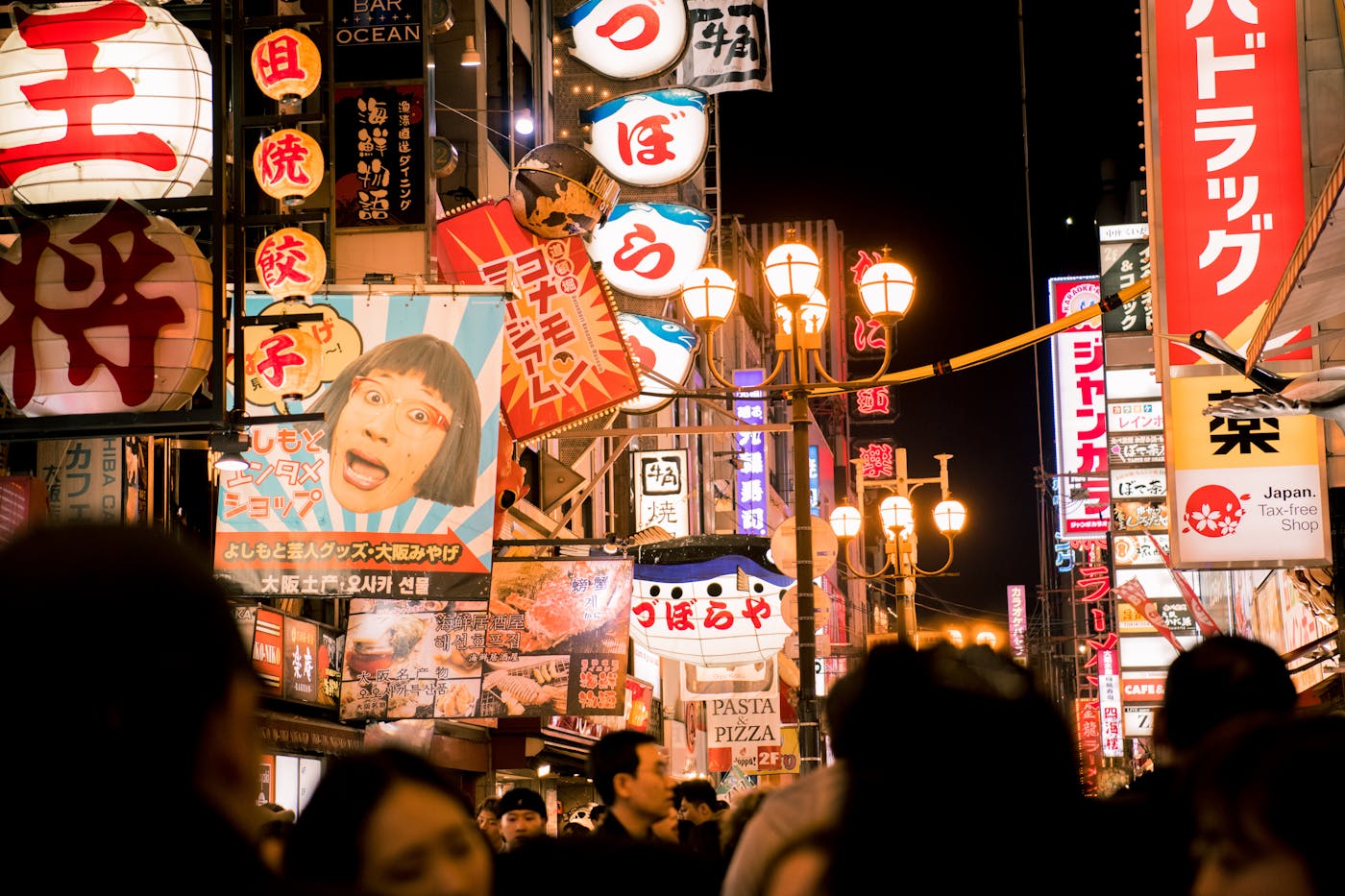
- Namba / Dotonbori — Food and nightlife capital. Street food at your doorstep. Excellent Metro connections. The most "Osaka" experience you can get.
- Near Shin-Osaka — Best if you're using the Shinkansen frequently. Less exciting neighborhood, but convenient for day trips to Kyoto, Kobe, or Hiroshima.
06Common mistakes
These are the things first-time visitors to Japan get wrong most often with hotels. Avoid all of them.
- Booking too far from a station. In Japan, "5 minutes from the station" means walkable and convenient. "15 minutes from the station" means you'll regret it every morning. Always check the walking distance to the nearest train station.
- Not checking room size. Japanese hotel rooms are small by Western standards. A "standard double" might be 14 sqm. Check the square meter listing before you book — anything under 15 sqm will feel tight with luggage.
- Not reading cancellation policies. Free cancellation is common on Booking.com, but not universal. Some cheaper rates are non-refundable. Always check before booking, especially if your plans might change.
- Expecting Western-size beds. A Japanese "double bed" is often 140cm wide — closer to a Western full/queen. If you need space, book a twin room with two beds instead.
- Not considering ryokan for at least one night. Even if you're on a budget, spending one night at a ryokan is one of the most memorable parts of any Japan trip. A simple countryside ryokan with dinner can be ¥15,000 — worth every yen.
Calculate your total Japan trip cost including hotels, transport, and food.
Open Budget Estimator →Want the exact routes and maps?
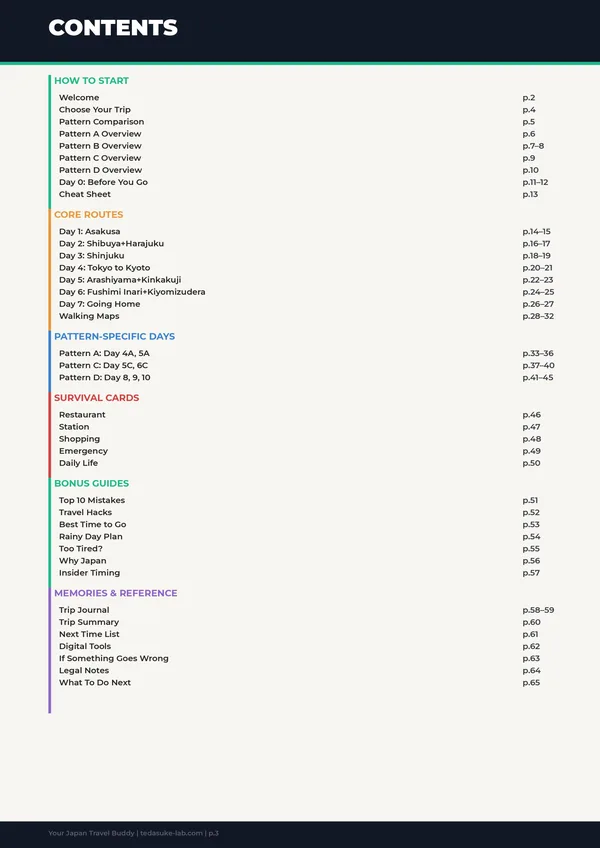
Plan your trip with illustrated walking maps and ready-to-follow routes.
See the complete guide →
One-time payment · Instant download · Free updates forever